
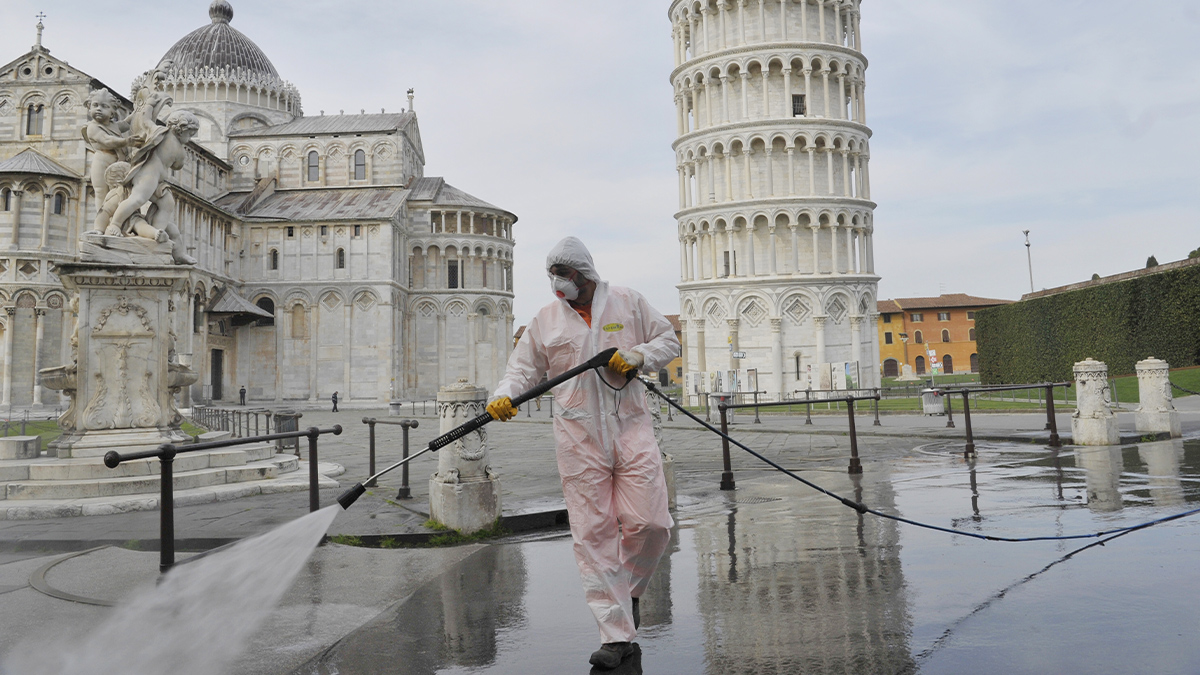
Italy was among the first countries in the world to experience the devastating consequences of the COVID-19 emergency and suffered its consequences to an unprecedented level. Understanding how the country got there, in spite of a relatively well-resourced public and private health system in at least part of the country, is imperative to be able to operationalise any lessons learnt for future epidemics in Italy and beyond.
The paper reports the findings from a research scoping exercise conducted in Italy in 2020 which also reflects the different experiences between the Northern and Southern regions, a divide that has long been economically and politically salient in the country.
The study supprts the idea that, while evidence and considerations of epidemiological nature normally guide public health responses to crises, socio-economic, cultural and political factors also affect transmission outcomes. The role that socio-economic and health inequalities play in this respect is specifically highlighted, through the focus on factors such as overcrowded dwellings, lack of alternatives to in-person work, informal work set-ups, pervasive organised crime presence, poorly planned social support and communication strategies.
The authors argue that a socio-economic and political lens is needed in addition to an epidemiological one to fully understand the social experiences and implications of public health crises such as the COVID-19 pandemic and to devise effective response measures that are locally relevant and acceptable. Thus insights provided by multi-disciplinary task forces can render policy-making and social support interventions as well as communication strategies more effective.
Read the full paper here

 westminsterdpn.com